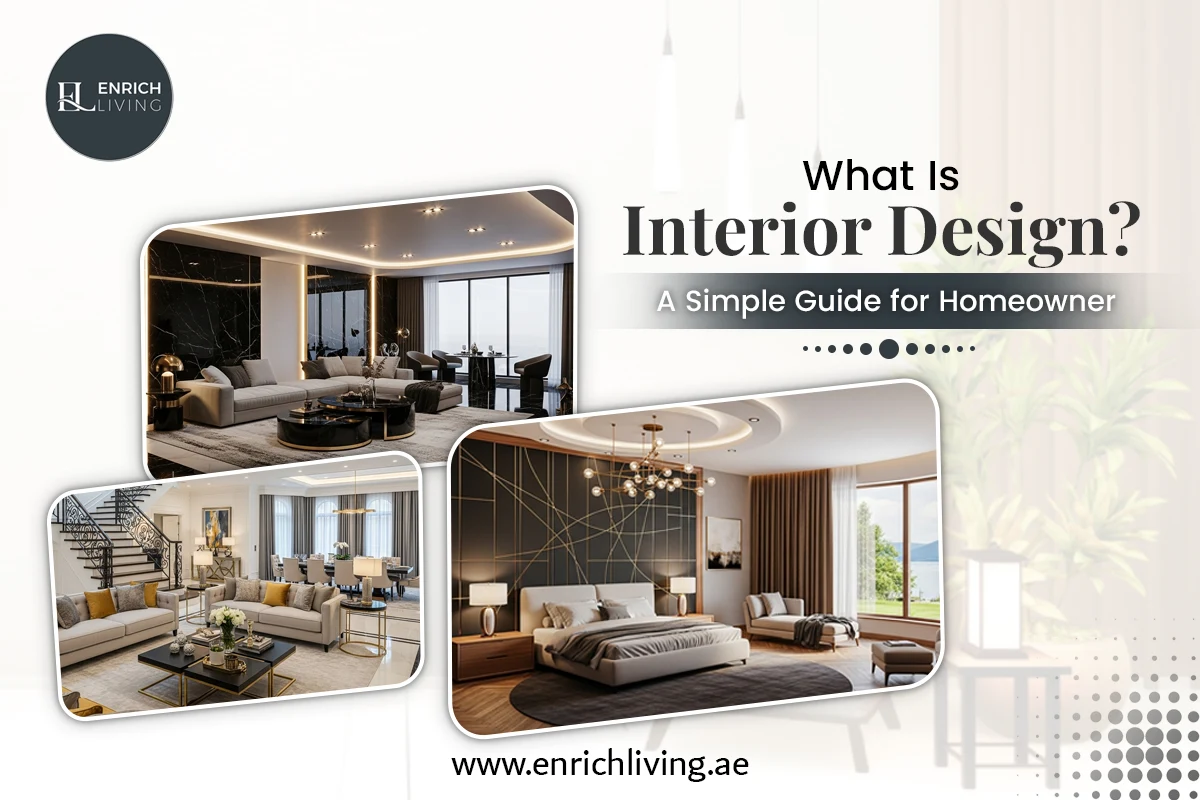
Interior design is a term that is often thrown around, but what does it absolutely mean for house owners? At its core, interior design is the art and science of enhancing the interior of a home or building to create a greater aesthetically appealing and peaceful environment. It’s about combining creativity with practicality to make sure that your space isn’t always only stunning, but also comfortable and efficient.
For many house owners, interior design can be overwhelming. There are countless styles, materials, and ideas available, making it hard to realize where to start. But information about the fundamentals could make the process less complicated, greater exciting, and ultimately more rewarding.
1. Understanding the Role of Interior Design
Interior design goes beyond simply choosing furniture or choosing a color palette. An expert interior designer considers the whole space, its motive, and the way people interact with it. This involves:
- Space Plannings: Making sure each square foot is used efficiently, developing a natural flow between rooms.
- Lighting Design: Balancing natural and artificial light to enhance comfort and mood.
- Material Selection: Choose the proper textures, finishes, and materials to complement the style and functions of the space.
- Color Coordination: The usage of color theory to create harmony, evaluation, and emotional effects.
In essence, an interior layout transforms a house right into a home that is useful, comfortable, and visually attractive.
2. The Importance of Interior Design for Homeowners
Many owners underestimate the value of professional interior design. While may seem like extra expense, it truly brings numerous benefits:
- Maximizing Space: Designers make sure that each corner is optimized, making even small rooms feel open and practical.
- Improving Aesthetics: A nicely designed home reflects the house owner’s personality and lifestyle, creating a welcoming environment.
- Improving Comfort and Functionality: From ergonomically placed furniture to smart storage solution, design guarantees your property works in your daily life.
- Increasing Property Value: Considerate interior design can significantly enhance the overall price of your property, making it extra attractive to future buyers.
Investing in interior design does not just seem—it’s about developing a space that helps your lifestyle and nicely-being.
3. Key Elements of Interior Design
Even if you choose to work with a professional, knowing the vital factors of interior design can help you make informed choices:
a) Space Planning
Proper space planning is the foundation of every home. It includes organizing furniture, pathways, and practical zones to make the space realistic and easy to move around.
b) Lighting
Lighting can dramatically change the mood and notion of a room. Layering different types of lighting—ambient, challenge, and accessory—helps create a balanced and inviting environment.
c) Color & Texture
Colors evoke emotions, and textures add depth. Designers combine those thoughtfully to make areas feel cohesive and engaging.
d) Furnishings & Accessories
Choosing the proper furnishings is more than style—it’s about comfort, durability, and proportion. Add-ons like rugs, cushions, and art complete the appearance and upload persona.
e) Flow & Functionality
Each room needs to serve its purpose while keeping a smooth float. From kitchen layouts to living areas, design ensures spaces are both sensible and enjoyable.
4. Common Interior Design Styles
Homeowners regularly hear phrases like “contemporary,” “rustic,” or “modern,” but, what do they suggest? Some popular styles consist of:
- Modern: Smooth lines, neutral colors, and minimalist furnishings.
- Contemporary: Modern trends, often blending consolation and simplicity.
- Rustic: Warm, natural materials like wood and stone.
- Shabby Chic: Soft, vintage-inspired aesthetics with pastel tones.
- Maximalist: Bold colors, styles, and layered décor for a rich, eclectic feel.
Choosing a fashion enables you to create a cohesive appearance and unites the tone for your own home.
5. Tips for Homeowners Getting Started
In case you’re new to interior design, consider these tips:
- Start with a Vision: Choose what you need for your home to feel like.
- Focus on Functionality: Ensure each design choice serves a purpose.
- Mix and Match Wisely: Combine textures, materials, and shades without overloading the space.
- Invest in Quality Pieces: Key furniture and decor must be long lasting and timeless.
- Seek Professional Guidance: Even a consultation saves time, money, and effort.
Remember, interior design is creating a space that suits your life—not simply following trends.
Why Enrich Living Can Help
To enhance living, we transform houses into homes that reflect your lifestyle, character, and taste. With years of experience, a team of professional designers, and a portfolio of successful initiatives, we offer tailored solutions for every homeowner. From area planning to finishing touches, we guide you through the process to make your dream home a fact. Don’t just decorate—design a home that inspires.
Conclusion
Interior design is about creating spaces that combine beauty, comfort, and functionality. With Enrich Living, homeowners can effortlessly transform their vision into reality, enjoying spaces which might be elegant, personalized, and perfectly suited to their way of life.